Back
Revellín Promenade
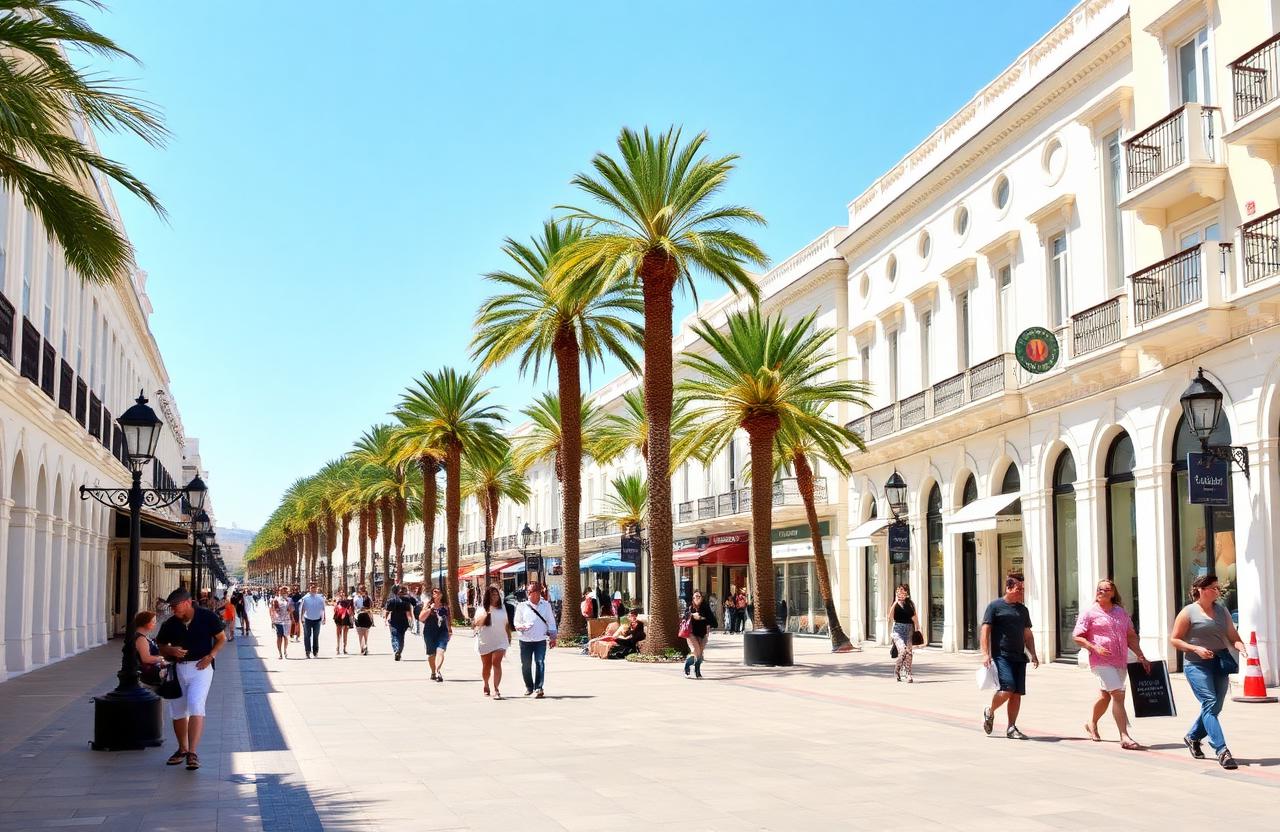
The city's main pedestrian street with shops and terraces.
30 - 60 minWalkFood
Why visit?
Perfect to stroll, have a drink and feel the local vibe.
Ceuta's great pedestrian avenue. Local meeting point with shops, restaurants and modernist architecture.
History and heritage
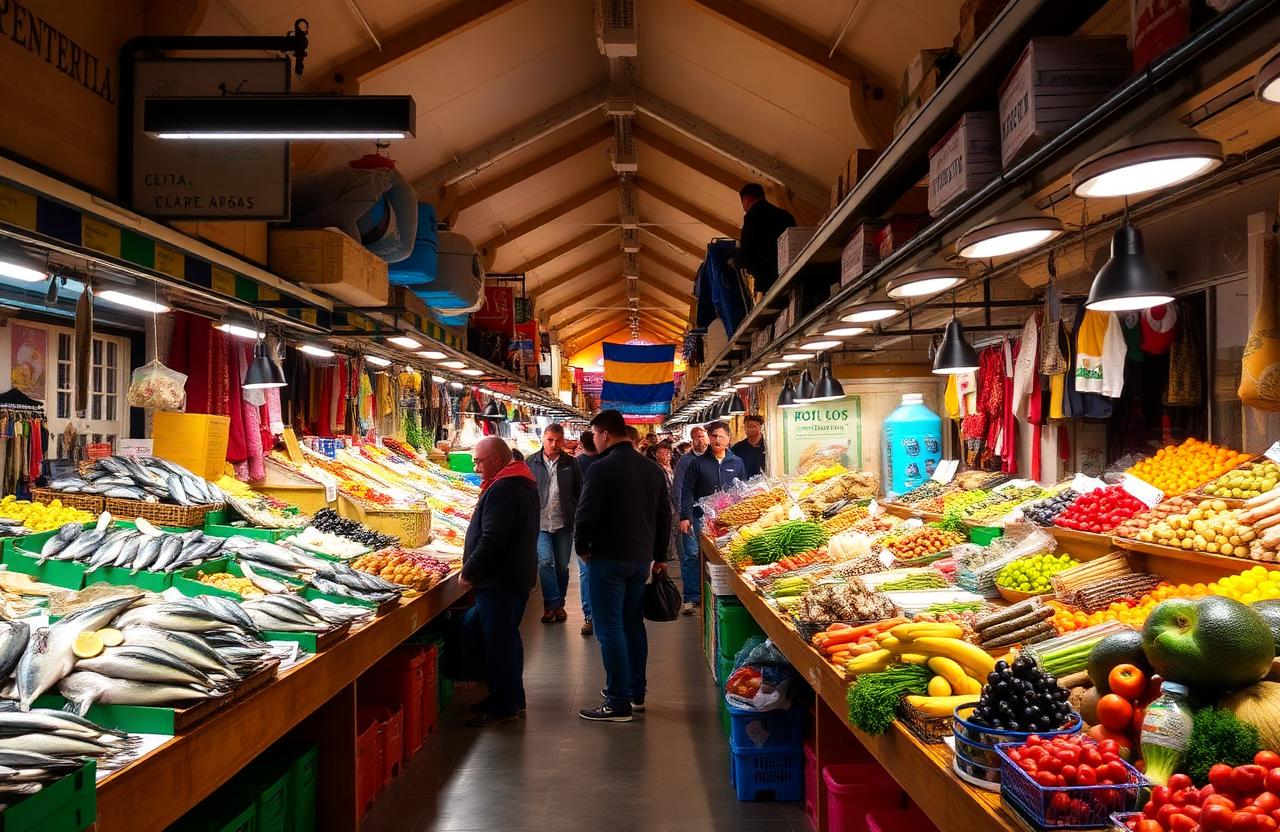
Paseo del Revellín starts at Plaza de la Constitución and, continued by Paseo de Camoens and Calle Real, forms Ceuta's main shopping street; locals simply call the whole stretch "la calle Real". It is pedestrian all the way. Its name recalls the ravelin, a polygonal defensive work, and along it stand some of the most representative buildings of the early 20th century. The street opens with the Trujillo Building (number 1), neo-baroque, designed by architect Andrés Galmés Nadal and built in 1925-1928 on the site of the old Fish Market, with stucco work by sculptor Cándido Mata. At number 20, Casa Delgado displays modernist decoration in white marble. Midway is La Manzana del Revellín, a cultural complex by Portuguese architect Álvaro Siza, and at number 30, the Museum of Ceuta, in a former 1900 military pavilion.
What to see: unique details
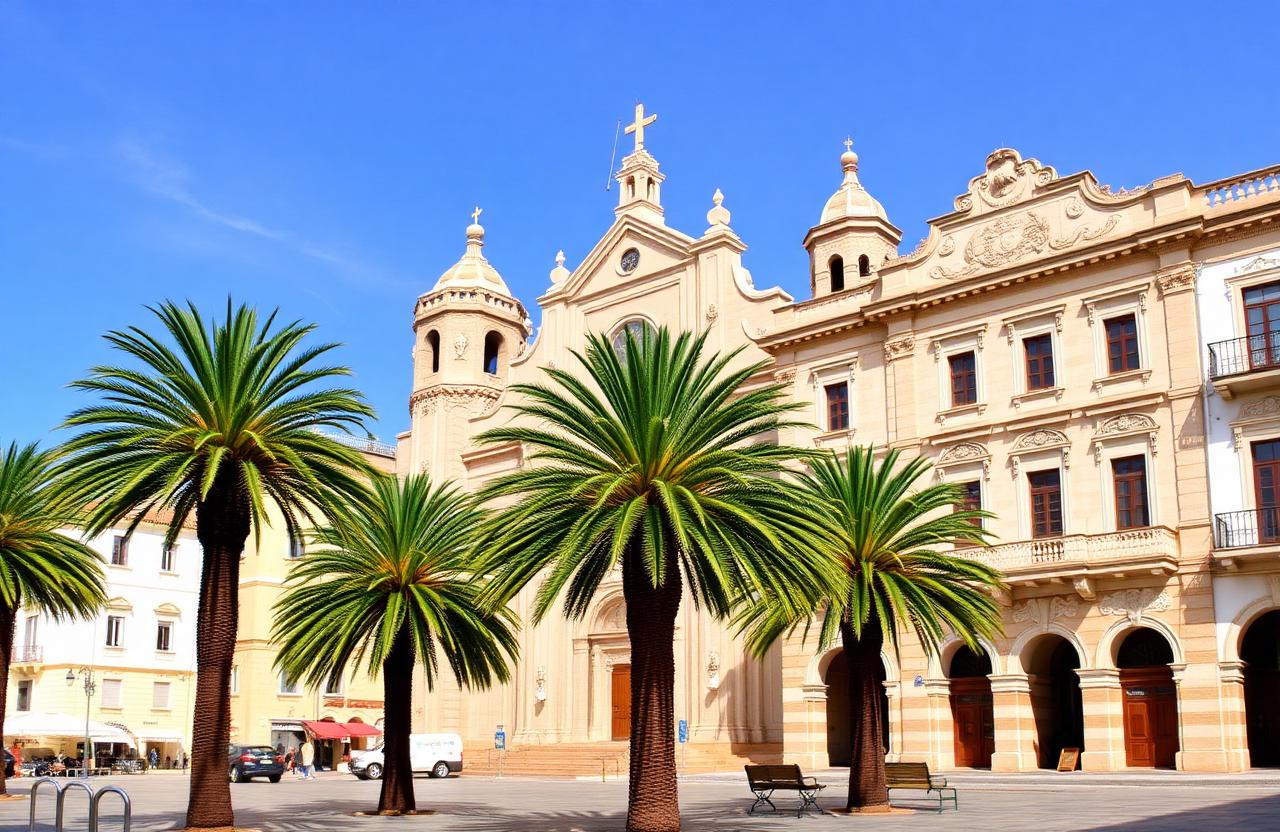
- ◆The Trujillo Building, on the corner with Plaza de la Constitución, crowned by towers; its spiral staircase with a star-shaped skylight was studied in architecture schools (the interior is not open to visitors).
- ◆Casa Delgado (number 20): balustrade and modernist reliefs of acanthus leaves, human faces and lion heads.
- ◆La Manzana del Revellín by Álvaro Siza, arranged around a central square.
- ◆The Museum of Ceuta, Archaeology site, at number 30.
- ◆Plaza del Teniente Ruiz, with the bust of the Ceuta-born hero of the Peninsular War.
Audio guide
~1 min 7 s
You are on Paseo del Revellín, the start of what locals simply call the calle Real. Together with Paseo de Camoens and Calle Real itself, it is the city's main axis for shopping and strolling. The name recalls the ravelin, an old fortification. Start at the beginning: the large corner building facing Plaza de la Constitución is the Trujillo Building. Architect Andrés Galmés designed it, and it was built between nineteen twenty-five and nineteen twenty-eight on the site of the old Fish Market. Look at its towers and neo-baroque decoration; inside it hides a spiral staircase crowned by a star-shaped skylight. Keep walking and look for number twenty: Casa Delgado, with modernist reliefs of acanthus leaves, faces and lion heads. Midway along appears La Manzana del Revellín, by Portuguese architect Álvaro Siza, and at number thirty, the Museum of Ceuta, in a former military pavilion. Opposite, Plaza del Teniente Ruiz honours a Ceuta hero of the war against Napoleon. A tip: walk slowly and look up. This street's history is in its façades.
Audio guide played with your device voice (browser speech synthesis).
Practical tips
- •Walk it looking up: the best of its architecture is on the upper floors and cornices.
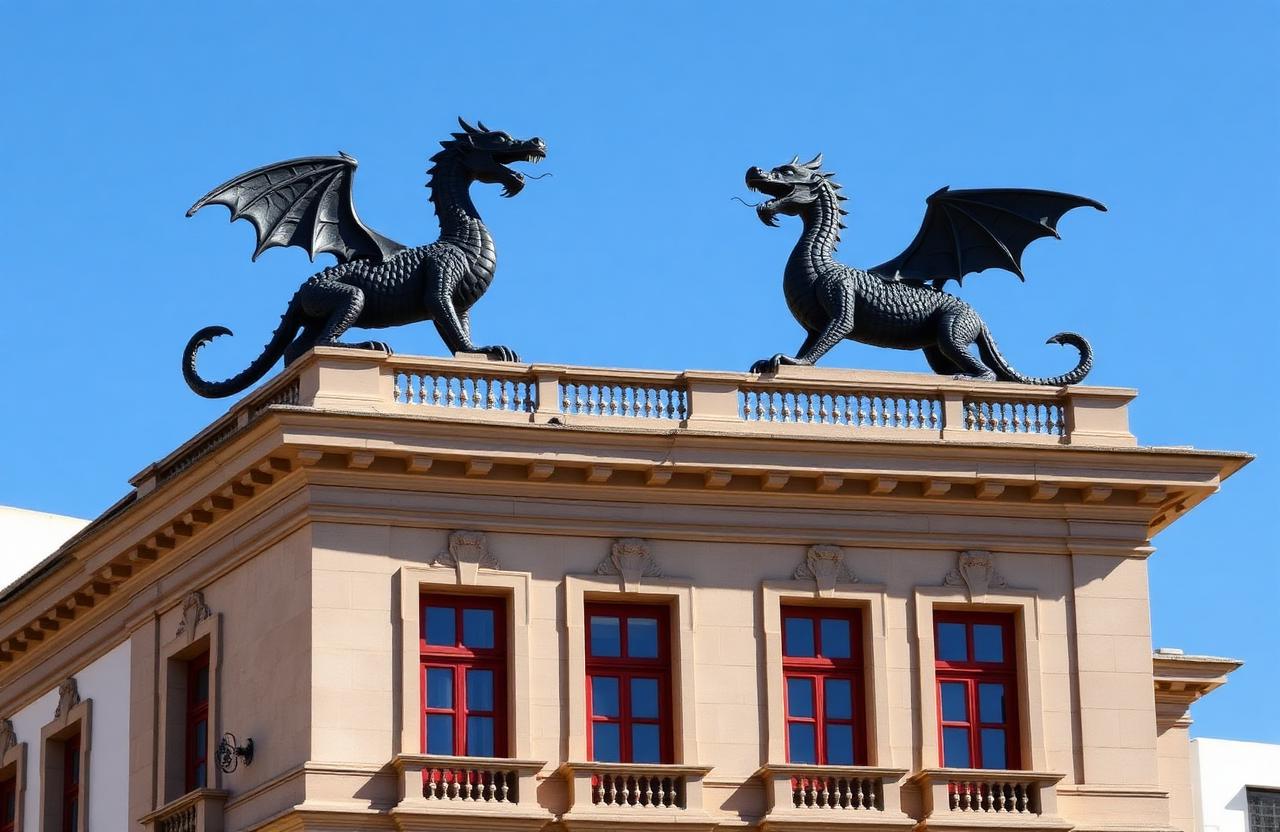
- •Continue along Paseo de Camoens to the House of Dragons and Plaza de los Reyes.
- •At dusk the street fills with local life; a good time for coffee or a snack.
- •Make the most of the Museum, right in the middle of the walk.
Not sure what you're looking at?
Snap the building, dish or detail with Discover Lens and I'll explain it.