Back
Plaza de África
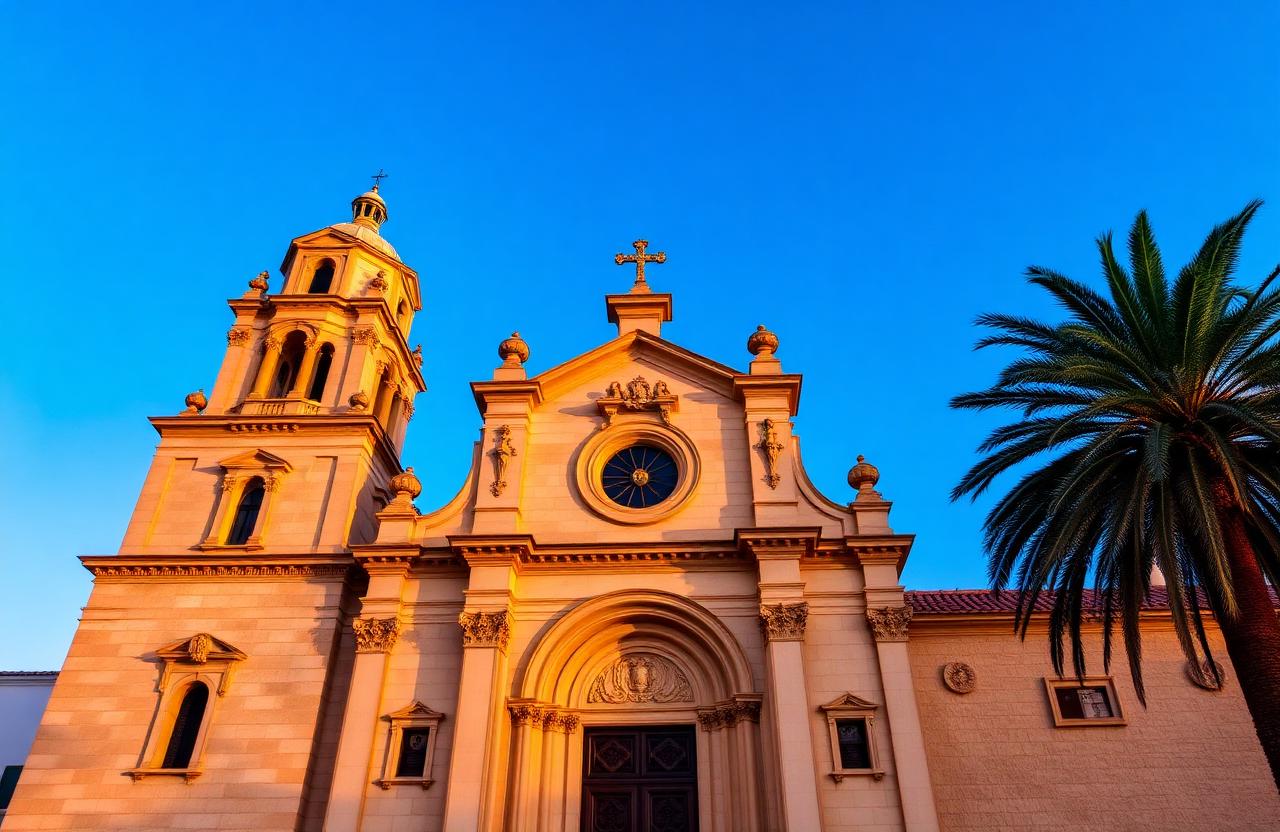
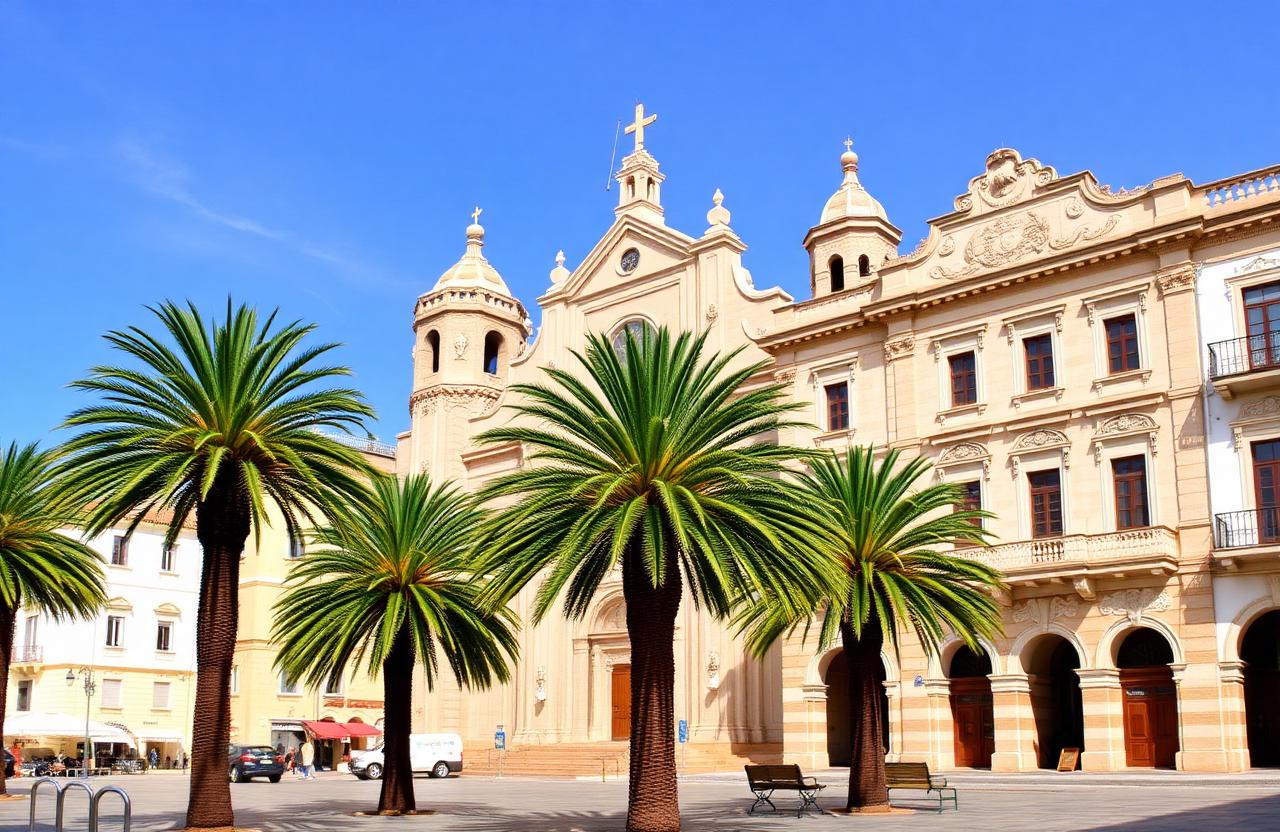
Heart of Ceuta, surrounded by historic buildings and the Cathedral.
30 - 45 minHistoryWalkPhotography
Why visit?
The best starting point to discover the historic center.
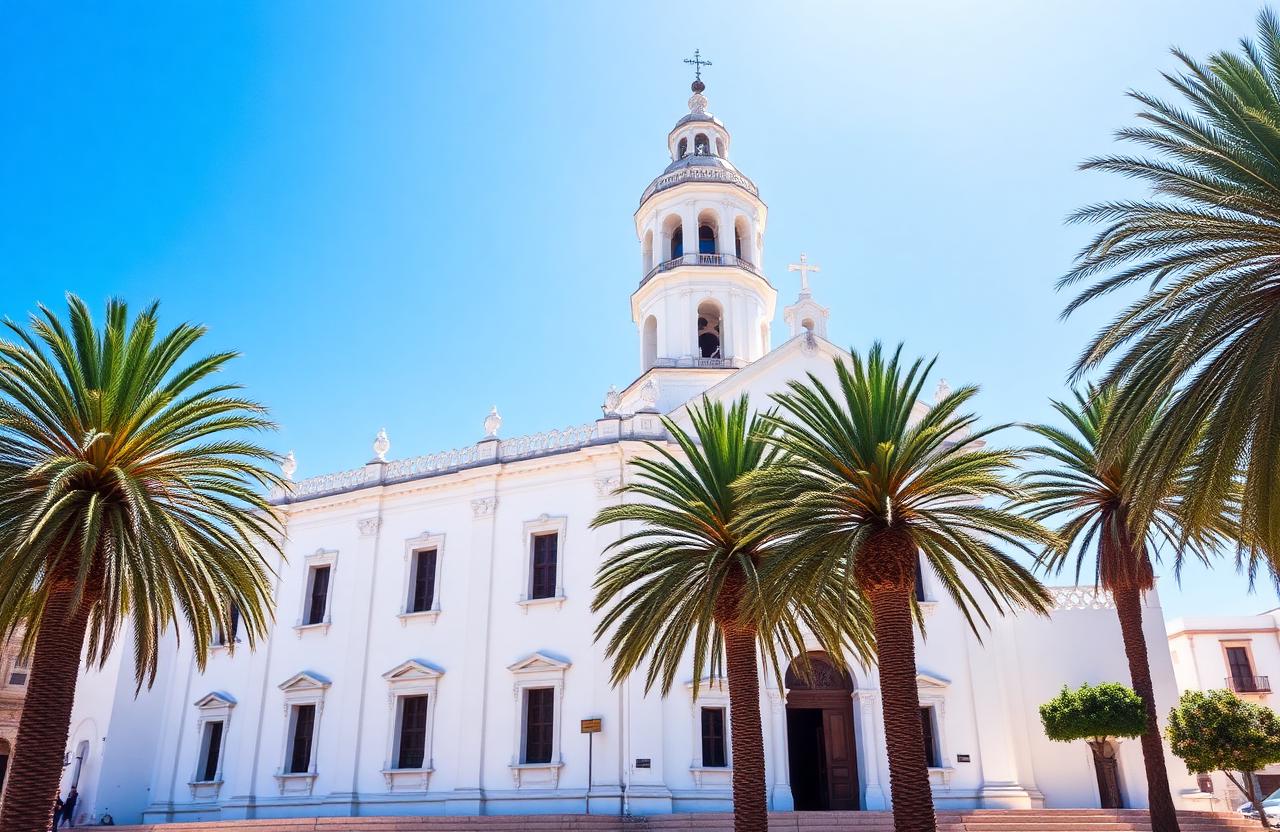
The civic center of the city. Here stand the Cathedral, the Sanctuary of Our Lady of Africa, the Assembly Palace and the war memorial.
History and heritage
Plaza de África is the civic and religious centre of Ceuta. Around it stand the Cathedral, the Sanctuary of Our Lady of Africa, the Assembly Palace, the military headquarters (Comandancia General) and the Parador La Muralla. The Assembly Palace was built on the site of the old town hall: work began in 1914 to a design by José Romero Barrero, and King Alfonso XIII and Queen Victoria Eugenie opened it in October 1927. In the centre, the monument to those who fell in the 1859–1860 War of Africa was unveiled on 4 May 1895.
What to see: unique details
- ◆The War of Africa monument: a 13.5-metre neo-Gothic monolith by military engineer José Madrid Ruiz, carved from San Amaro quarry stone. It holds a crypt with soldiers' remains, which is not open to visitors.
- ◆The bronze reliefs on its base by Sevillian sculptor Antonio Susillo, devoted to General Prim and the Catalan volunteers.
- ◆The façade of the Assembly Palace; inside are an imperial staircase with Ruiz de Luna ceramics and decoration by Mariano Bertuchi.
- ◆The four classic lampposts at the corners, ringed by circular fountains.
- ◆Next to the Cathedral, a site with Phoenician remains from the 8th–7th centuries BC.
Audio guide
~1 min 24 s
You are in Plaza de África, the civic and religious heart of Ceuta. Turn slowly around: within a few metres you have the Cathedral, the Sanctuary of Our Lady of Africa, the city's patroness, the Assembly Palace, the military headquarters and the Parador La Muralla, beside the Royal Walls. Now look at the centre. That thirteen-and-a-half-metre neo-Gothic monolith is the monument to those who fell in the War of Africa of eighteen fifty-nine to eighteen sixty. It was designed by military engineer José Madrid Ruiz, carved from San Amaro quarry stone and unveiled on the fourth of May, eighteen ninety-five. Beneath it lies a crypt with soldiers' remains, though it cannot be visited. Step closer to the base: the bronze reliefs are by the Sevillian sculptor Antonio Susillo and honour General Prim and the Catalan volunteers. Facing the monument, the Assembly Palace stands on the site of the old town hall. Work began in nineteen fourteen, and King Alfonso the Thirteenth and Queen Victoria Eugenie opened it in nineteen twenty-seven. Inside is an imperial staircase with ceramics by Ruiz de Luna and decoration by the painter Mariano Bertuchi. One last curiosity: next to the Cathedral, remains of a Phoenician settlement almost three thousand years old survive. This square sums up, in a single space, much of Ceuta's history.
Audio guide played with your device voice (browser speech synthesis).
Practical tips
- •Start your walk of the centre here: the Cathedral, Sanctuary and Royal Walls are steps away.
- •Walk around the monument to see the reliefs up close.
- •Avoid midday in summer: the square has little shade.
- •It often hosts official events and processions; check the City's agenda if you want to see one.
Not sure what you're looking at?
Snap the building, dish or detail with Discover Lens and I'll explain it.