Back
Central Market
The lively pulse of local trade with fresh produce from the Strait.
30 - 45 minFoodCulture
Why visit?
If you want to understand Ceuta in an hour, come to the market.
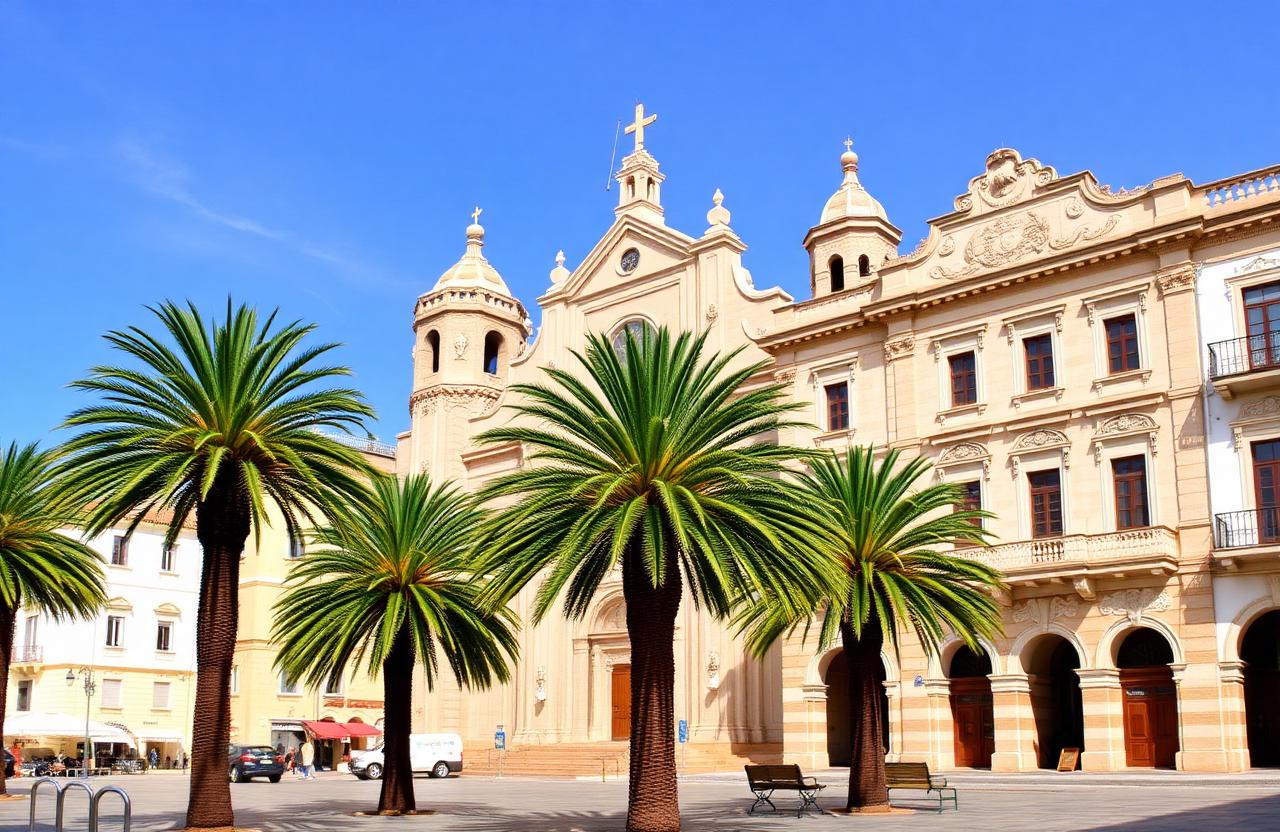
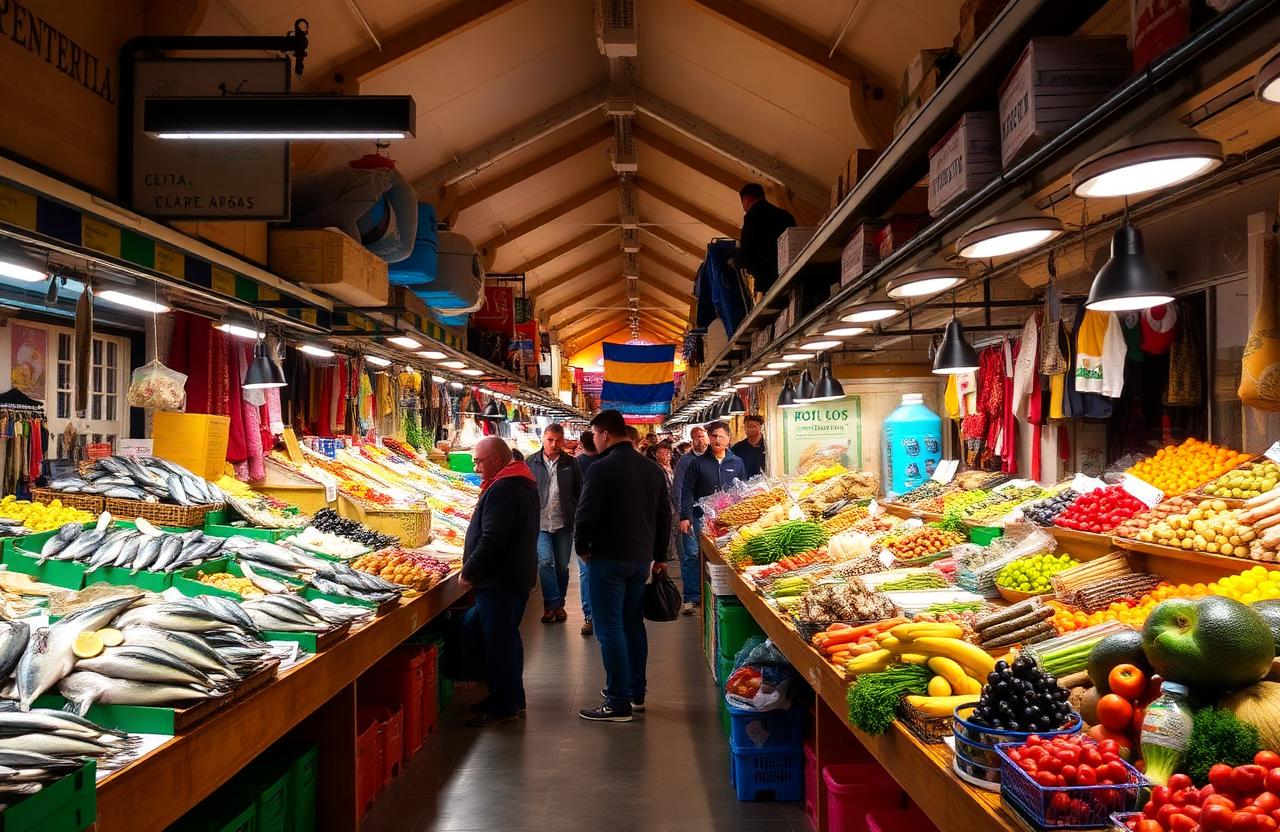
The Central Market is Ceuta's main market and one of the best windows onto everyday life. Built in 1934 over the old Almina moat, its main façade faces Plaza de la Constitución. Fish and seafood, fruit and vegetables, meat and spices share its floors and show, in the daily shopping basket, the blend of cultures that defines Ceuta's cooking.
History and heritage
The building went up in 1934 over the old Almina moat and front, the 16th-century defensive line that separated this peninsula from the isthmus. That explains its unusual layout: a large basement with access from both seas, a ground floor and an upper floor. Its main façade faces Plaza de la Constitución, also presided over by the Trujillo Building and open to the port. More than a place to shop, it mirrors the city. Ceuta Tourism recommends it as a way to understand local food from the inside: Mediterranean, mainland Spanish and North African products sit side by side, some rarely seen in other Spanish markets, reflecting the coexistence of cultures that characterises Ceuta.
What to see: unique details
- ◆The fish and seafood stalls, the heart of the market in a city surrounded by sea.
- ◆The spice stalls and products rarely found in other Spanish markets.
- ◆The indoor breakfast and churro bars recommended by the official food guide.
- ◆Its layout over several levels, built over the old Almina moat.
- ◆The friendly exchange between stallholders and customers: everyday Ceuta.
Audio guide
~47 s
You are in Ceuta's Central Market. This building was built in nineteen thirty-four over the old Almina moat, a sixteenth-century defence that separated this part of the city from the isthmus. That is why the market has a large basement with exits towards both seas, plus a ground floor and an upper floor. Look at the fish and seafood stalls: the sea rules Ceuta's kitchen. Then find the spices and products you will rarely see in other Spanish markets; they tell the story of a city where different cultures live side by side. If it is morning, do as locals do and sit down for breakfast. On your way out, Plaza de la Constitución leads to the Revellín and the port.
Audio guide played with your device voice (browser speech synthesis).
Practical tips
- •Go in the morning, Monday to Saturday: that is when it is busiest and most stalls are open.
- •Have breakfast inside or nearby: a much-loved local habit.
- •Ask before photographing stallholders or their stalls.
- •Individual stalls and hours can change: check ahead if you are looking for a specific shop.
- •On leaving, cross Plaza de la Constitución to the Revellín or step onto the bridge over the moat to see the port.
Not sure what you're looking at?
Snap the building, dish or detail with Discover Lens and I'll explain it.