Back
Sanctuary of Our Lady of Africa
Temple dedicated to the patroness of the city.
15 - 25 minHistoryCulture
Why visit?
A space full of devotion, history and sacred art.
Next to the Cathedral, the Sanctuary holds the image of the patroness of Ceuta and is one of the most beloved places for locals.
History and heritage
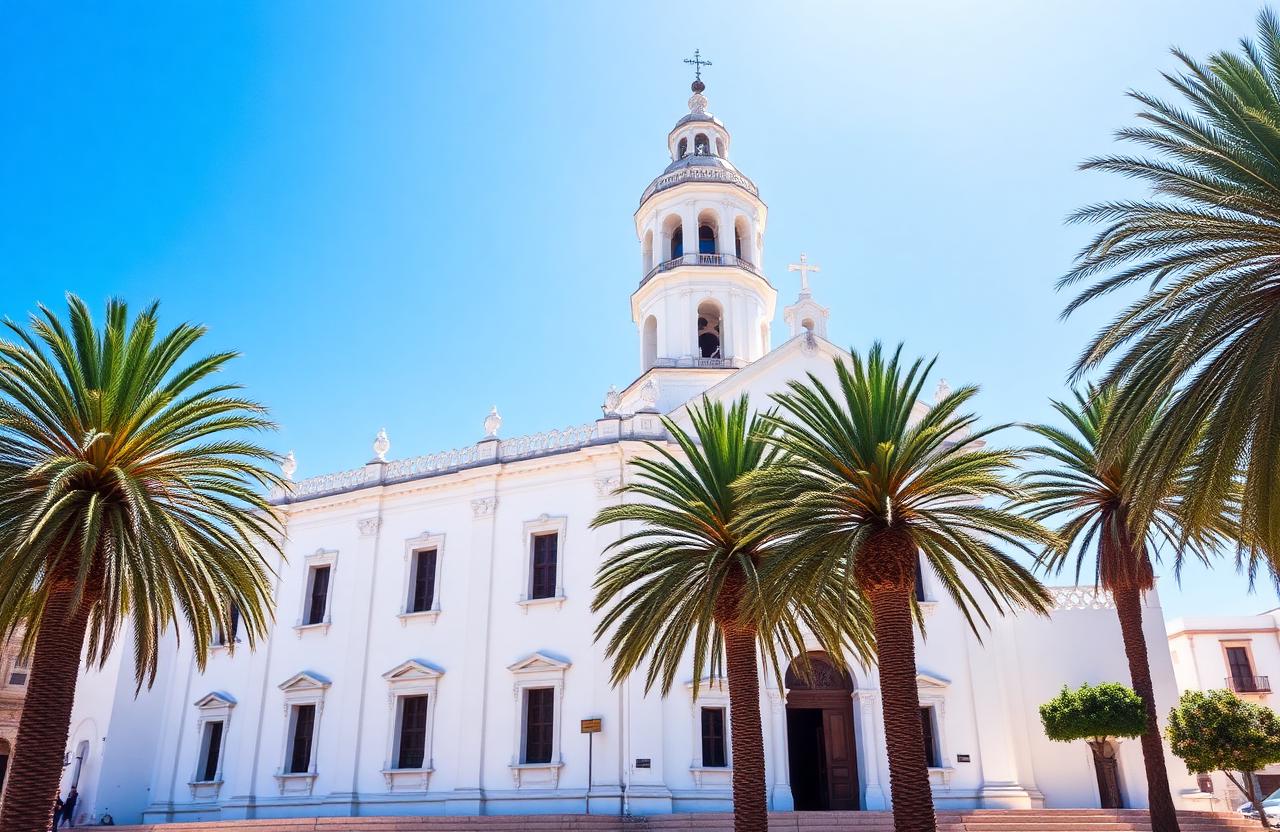
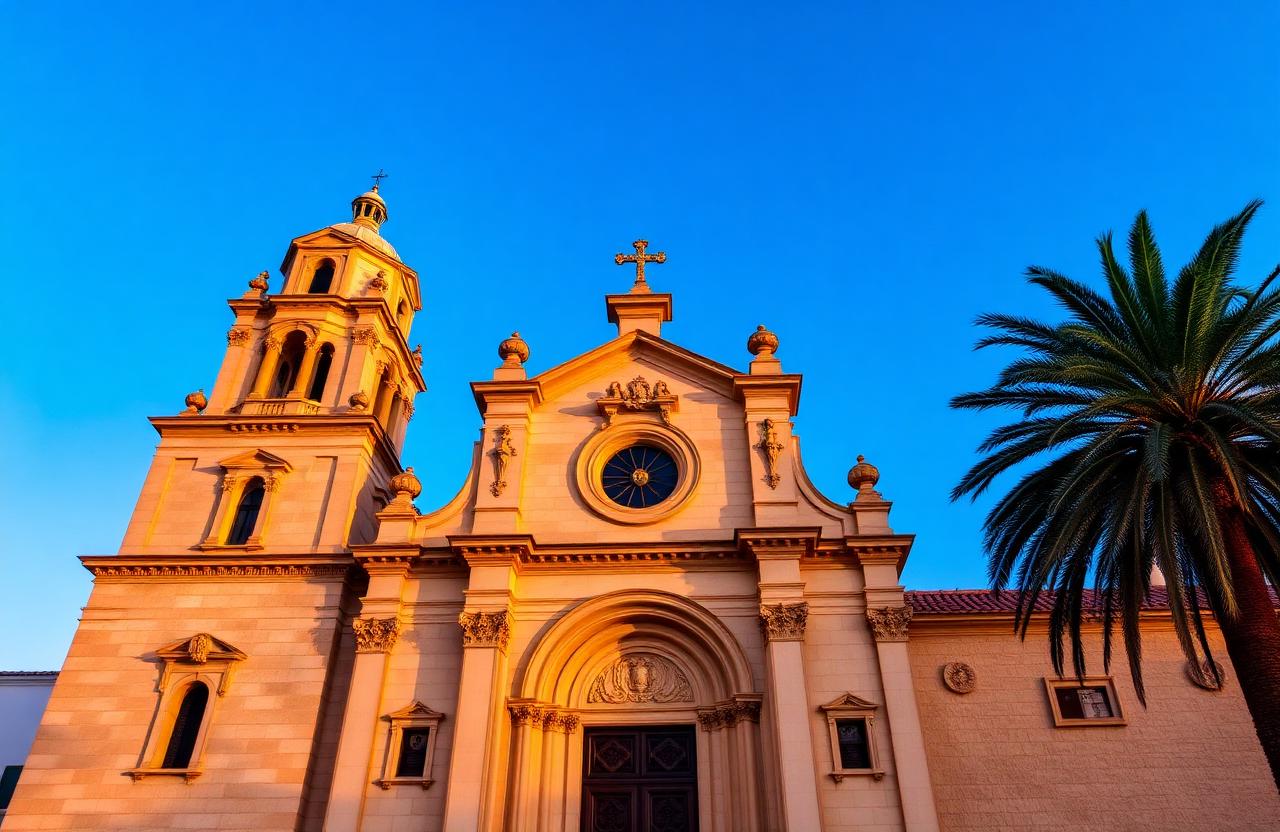
The Sanctuary houses Saint Mary of Africa, patroness, perpetual mayor and governor of Ceuta. The image was sent by Prince Henry the Navigator, who asked that she be venerated under that title; documents date the gift to 1421, while local tradition celebrates 1418 (the 600th anniversary was marked in 2018). The first church is thought to match today's chancel, though no visible medieval remains survive. The present building is Baroque: in 1676 it served as the provisional seat of the cathedral chapter, in 1703–1704 chapels were rebuilt with bomb-proof vaults, and in the mid-18th century the three-nave church body was added.
What to see: unique details
- ◆The statue of Saint Mary of Africa: a 15th-century Gothic Pietà from Central Europe, showing the seated Virgin holding the dead Christ, carved almost entirely from a single block of wood.
- ◆The camarín (shrine chamber) above the high altar where the image is venerated.
- ◆Three naves, the central one taller and wider, with a main chapel and two side chapels.
- ◆The aleo, the wild-olive stick that, according to tradition, first governor Pedro de Meneses held when he said "this stick is enough for me" to defend Ceuta; it is still symbolically handed to each new governor.
Audio guide
~1 min 29 s
Welcome to the Sanctuary of Our Lady of Africa, the church closest to the hearts of Ceuta's people. Here they venerate their patroness, who also holds the titles of perpetual mayor and governor of the city. The story begins in the early fifteenth century. Shortly after the Portuguese conquest, Prince Henry the Navigator sent Ceuta an image of the Virgin that was dear to him, and asked that she be venerated as Saint Mary of Africa. Documents date the gift to fourteen twenty-one; local tradition celebrates fourteen eighteen. Look for the image in the shrine chamber above the high altar. It is a Gothic Pietà from the fifteenth century, from Central Europe: the seated Virgin holds the dead Christ on her lap, with an expression of restrained grief. It is carved almost entirely from a single block of wood. The building around you is Baroque. In sixteen seventy-six it served as a provisional cathedral, in the early eighteenth century it was strengthened with bomb-proof vaults during the city's long siege, and in the middle of that century its three naves were added. One final story: the aleo. Tradition says that after the conquest nobody wanted to govern the town, and young Pedro de Meneses came before the king holding the stick from a game, saying this stick is enough for me. That aleo remains a symbol of Ceuta's government.
Audio guide played with your device voice (browser speech synthesis).
Practical tips
- •It is a working church: keep quiet and avoid visiting during services unless attending.
- •On 5 August, feast of Our Lady of Africa, the atmosphere is especially vibrant.
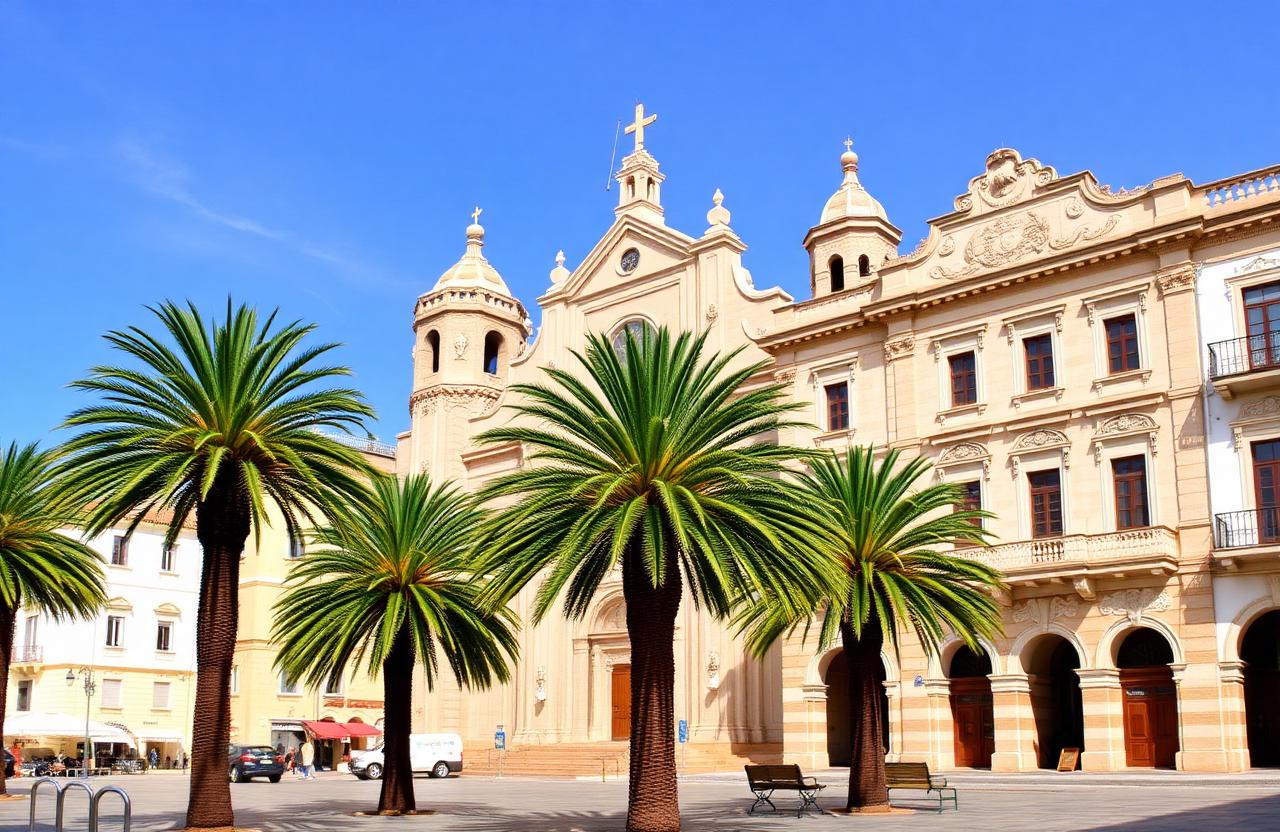
- •It shares the square with the Cathedral: you can see both in one visit.
- •Check opening hours before you go, as they may vary.
Not sure what you're looking at?
Snap the building, dish or detail with Discover Lens and I'll explain it.