Back
Cathedral of Ceuta
17th century baroque temple built on a medieval mosque.
20 - 30 minHistoryCulture
Why visit?
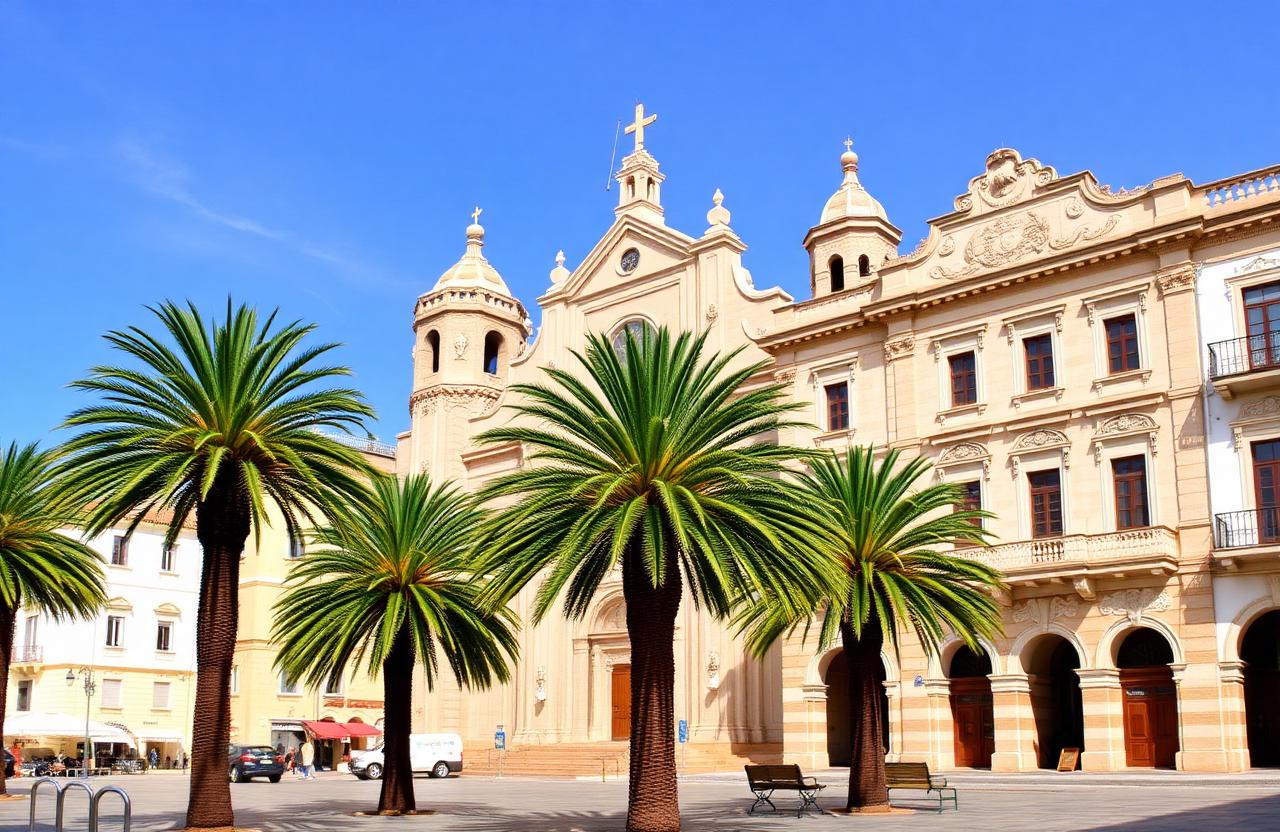
A place of recollection and architectural beauty in Plaza de África.
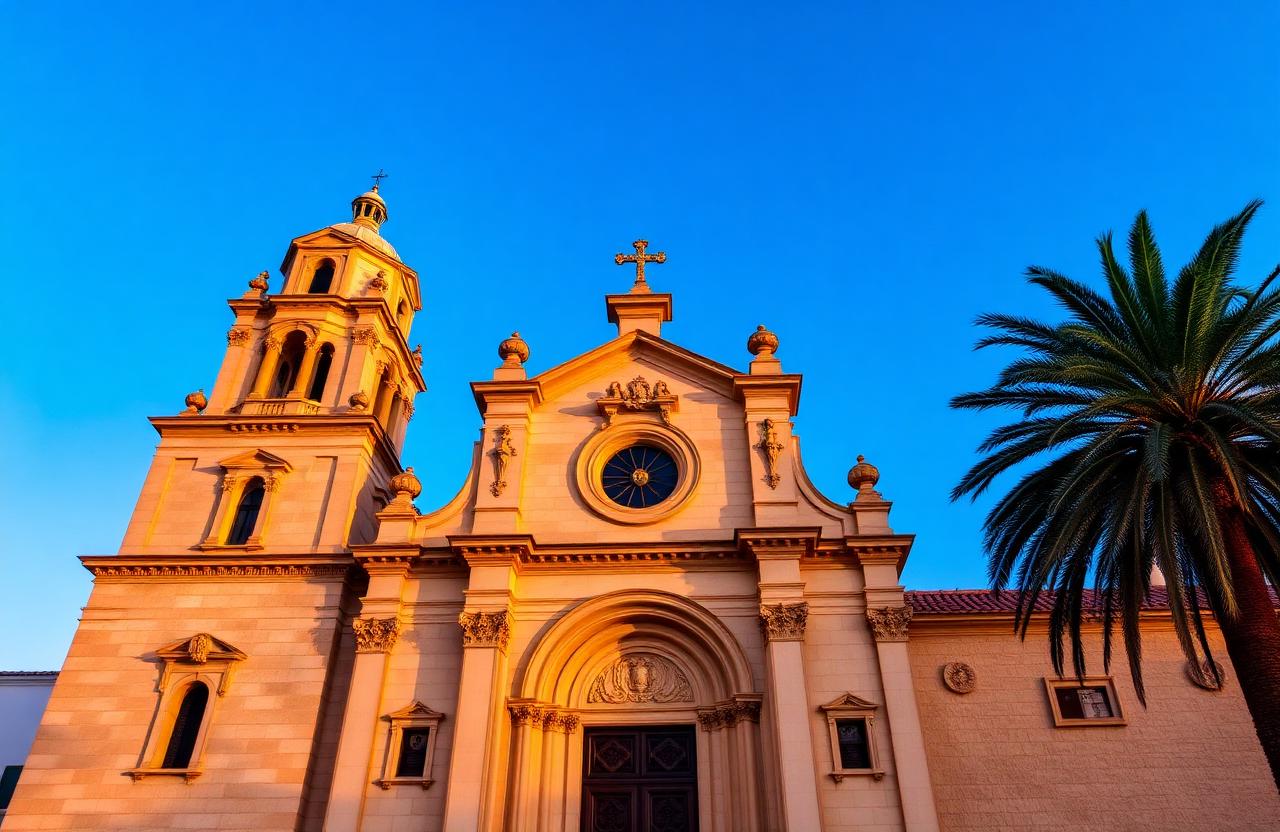
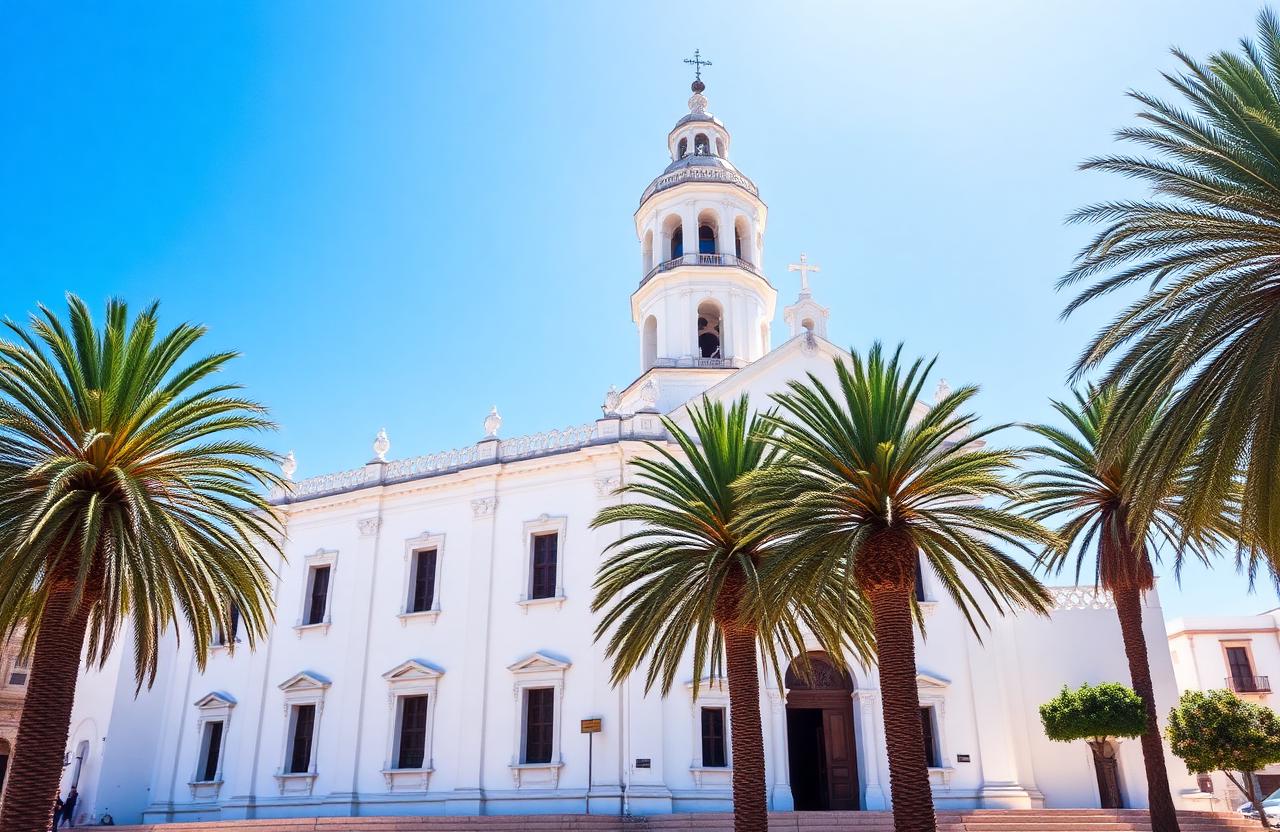
The Cathedral of the Assumption stands on the site of a former mosque. Its baroque architecture and altarpieces make it a key piece of religious heritage.
History and heritage
The Cathedral of Our Lady of the Assumption stands on one of the oldest sites in Ceuta, occupied since the 7th century BC. According to its heritage (BIC) file, there were ancient houses here, possibly a Christian church, and later the Great Mosque of Islamic Ceuta, converted to Christian worship after the Portuguese conquest of 1415. As the building fell into ruin, a new one designed by Juan de Ochoa was begun in 1686 and consecrated in 1726. Centuries of work followed: the Sagrario chapel in 1735, new roofs in 1763–1765, repairs after the 1790–1791 siege and the rebuilding of the dome in the early 20th century. The major 1954–1955 renovation by Gaspar and José Blein created today's ambulatory and radiating chapels. It was declared a Site of Cultural Interest in 2008.
What to see: unique details
- ◆Three naves of four bays with a transept, separated by square piers with panelled shafts and round arches.
- ◆The semicircular apse with ambulatory and radiating chapels, from the 1954–1955 renovation.
- ◆The Sagrario chapel, built in 1735.
- ◆The dome over the crossing, rebuilt in the early 20th century after it collapsed.
- ◆The site itself: ancient houses, great mosque and Christian church layered on one spot tell the city's story.
Audio guide
~1 min 21 s
You are in front of the Cathedral of Our Lady of the Assumption. Before going in, think about what lies beneath your feet: this site has been inhabited for some two thousand seven hundred years. There were ancient houses here, perhaps an early Christian church and, later, the Great Mosque of Islamic Ceuta. When the Portuguese conquered the city in fourteen fifteen, the mosque was converted to Christian worship. That building eventually fell into ruin, and in sixteen eighty-six a new cathedral began to rise, designed by Juan de Ochoa and consecrated in seventeen twenty-six. But the work never fully stopped. The Sagrario chapel was built in seventeen thirty-five, the roofs were later renewed, the siege at the end of the eighteenth century meant repairs, and late in the nineteenth century the dome collapsed and had to be rebuilt. The great transformation came in nineteen fifty-four, when the architects Gaspar and José Blein turned the old flat apse into an ambulatory with radiating chapels. Inside, notice the three naves, separated by square piers and round arches, and walk the ambulatory behind the altar. Since two thousand eight the Cathedral has been a Site of Cultural Interest. It is, quite literally, a building made of layers, just like Ceuta itself.
Audio guide played with your device voice (browser speech synthesis).
Practical tips
- •It is a working church: respect service times and dress appropriately.
- •Visiting hours may change during restoration work; check before you go.
- •On leaving, look for the site with Phoenician remains next to the Cathedral.
- •Combine it with the Sanctuary of Africa on the same square.
Not sure what you're looking at?
Snap the building, dish or detail with Discover Lens and I'll explain it.