Back
Museum of Ceuta
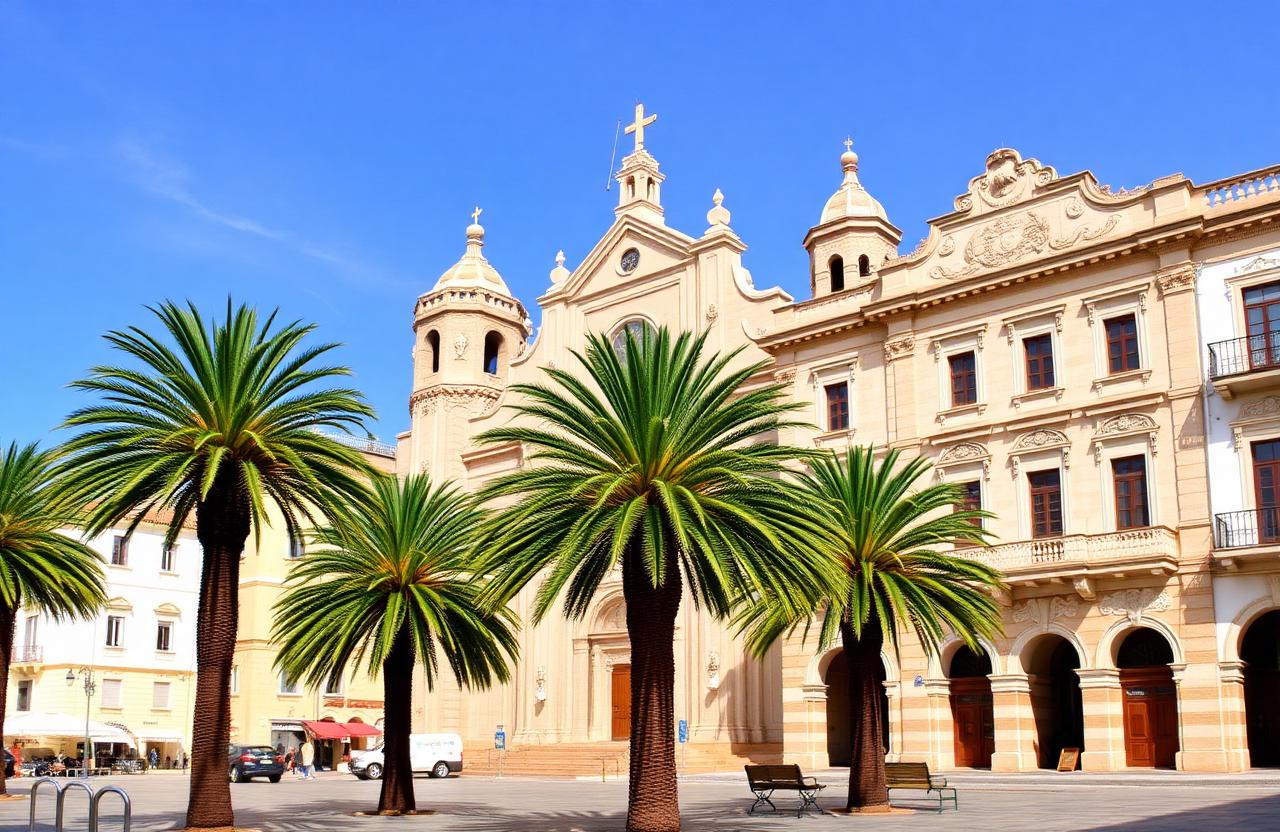
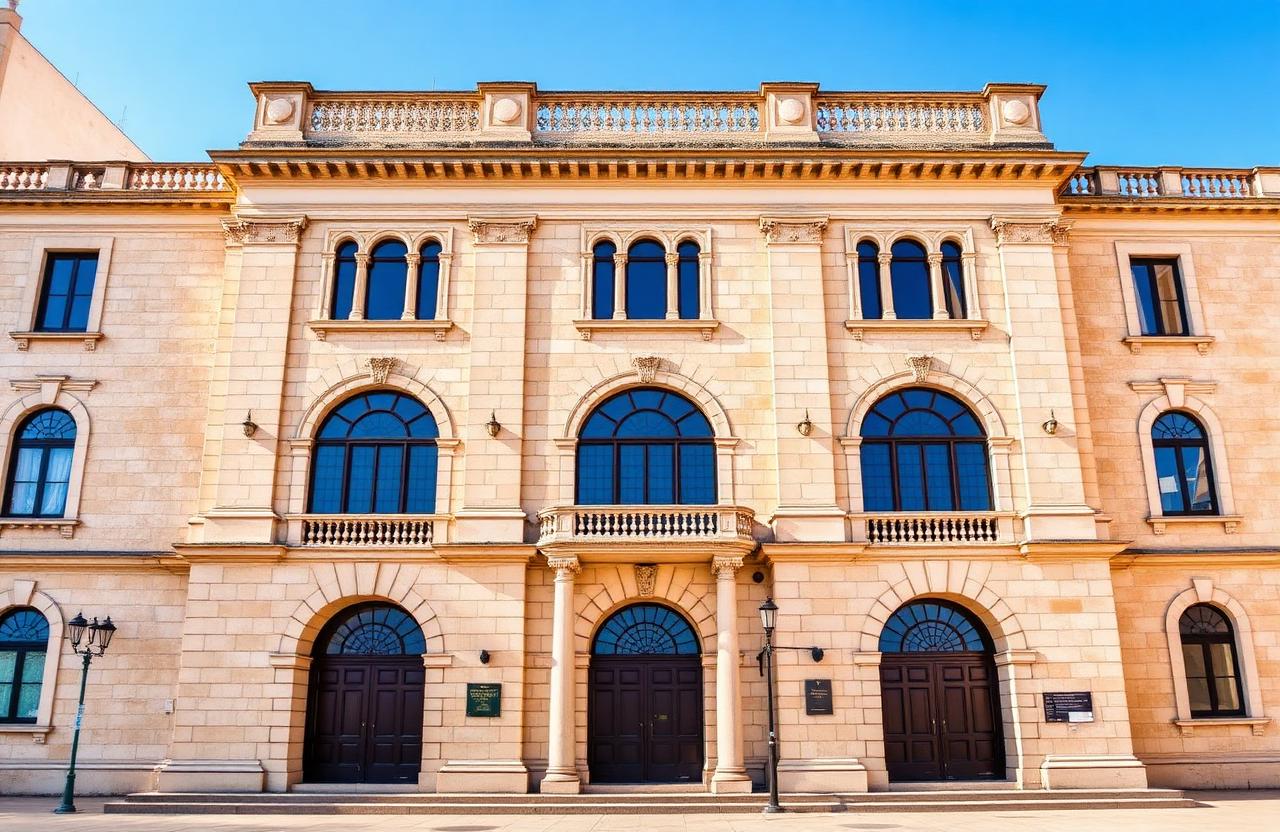
Archaeology branch of the Museum of Ceuta, on Paseo del Revellín.
45 - 60 minHistoryCultureFamilies
Why visit?
The best way to grasp Ceuta's role as a crossroads of cultures in one hour.
The Archaeology branch of the Museum of Ceuta, in the former military pavilion at Paseo del Revellín 30, traces the history of Ceuta from prehistory to today, with archaeological, ethnographic and historical pieces.
History and heritage
The Museum of Ceuta has two sites: Fine Arts, in the San Ignacio ravelin of the Royal Walls, and this one, Archaeology, at number 30 Paseo del Revellín. It occupies one of the pavilions of the former Revellín Barracks, built in 1900 by the Military Engineers. In 1989 its conversion into a museum was approved and that same year the building was listed as a Site of Cultural Interest. Its neoclassical-style façades rise two storeys with superimposed pilasters over a rusticated base, topped by a set-back third floor. The permanent exhibition follows a chronological order —Antiquity, Middle Ages and Modern Age— with finds from the city's excavations, many recovered by archaeologist Carlos Posac Mon and later under Emilio Fernández Sotelo, when the Late Roman Basilica was discovered.
What to see: unique details
- ◆The Roman marble sarcophagus of the Four Seasons, one of the museum's best-known pieces.
- ◆Punic and Roman amphorae, many found underwater, recalling Ceuta's fish-salting factories.
- ◆Hispano-Islamic pottery, one of the most important fields of Ceuta's archaeology.
- ◆Remains of the madrasa al-Yadida, the 14th-century Islamic college.
- ◆The neoclassical façade of the 1900 barracks itself and the temporary exhibition rooms.
Audio guide
~1 min 17 s
You are in front of the Museum of Ceuta, at its Archaeology site on Paseo del Revellín. It is not the only one: the Fine Arts site is in the Royal Walls, so if you are looking for paintings, head there. This building was a pavilion of the Revellín Barracks, built in nineteen hundred by the military engineers. Look at its neoclassical façade: a rusticated base, two floors with pilasters and a set-back top storey. In nineteen eighty-nine it was chosen to become a museum and listed as a Site of Cultural Interest. Inside, the route follows time: Antiquity, the Middle Ages and the Modern Age. Look for the Roman sarcophagus of the Four Seasons, carved in marble, and the Punic and Roman amphorae, many recovered from the seabed. They speak of a city that lived from fishing and salted fish. The medieval section is especially rich: Islamic pottery and remains of the madrasa al-Yadida, the fourteenth-century college. Many of these pieces came from rescue excavations in the city centre itself, under streets you walk today. Tip: come here before visiting the Arab Baths; what you see in these rooms will help you imagine the Ceuta that used them.
Audio guide played with your device voice (browser speech synthesis).
Practical tips
- •Don't confuse it with the Fine Arts site in the Royal Walls: this is Archaeology, at Paseo del Revellín 30.
- •The City publishes opening hours on ceuta.es; check before going, as they vary by season.
- •Visit before the Arab Baths or the Late Roman Basilica: it gives you the context to understand them.
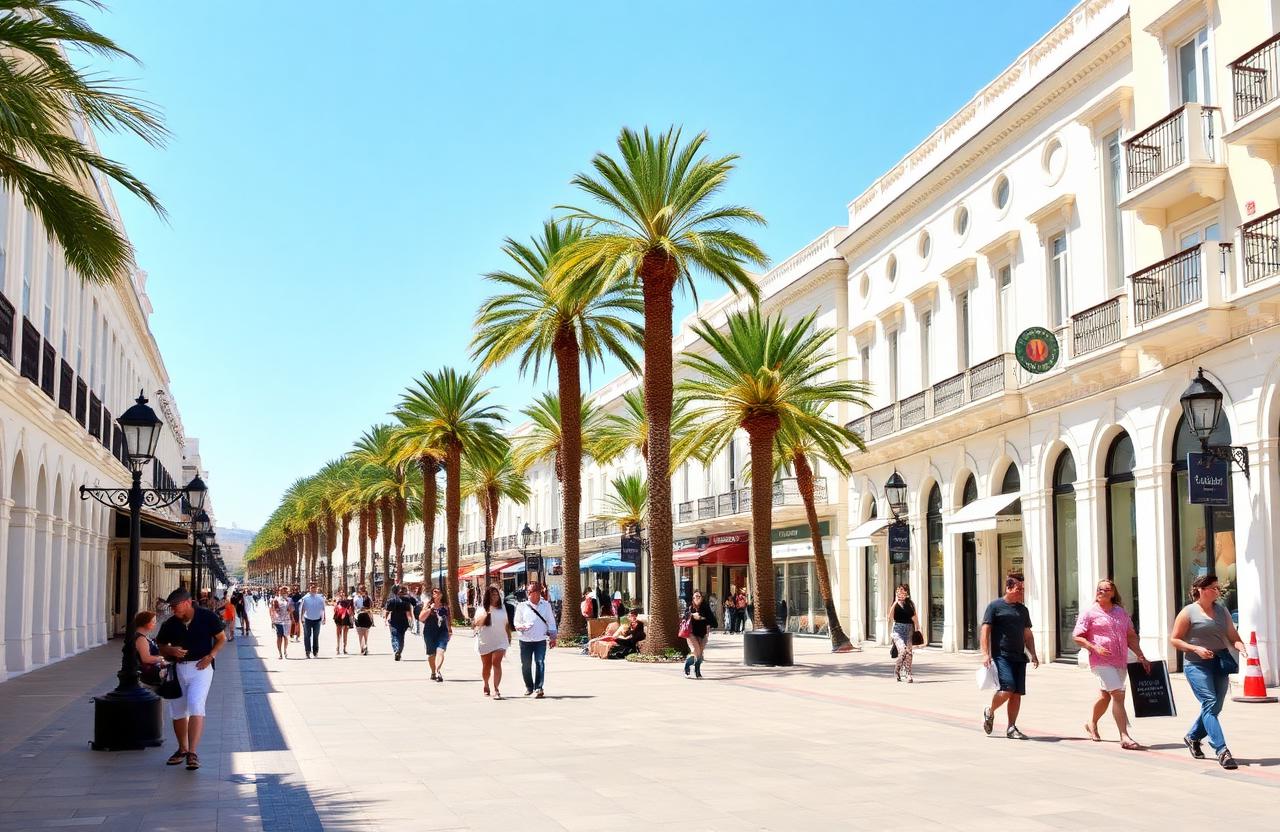
- •Opposite is Plaza del Teniente Ruiz, a good spot to rest midway along the street.
Not sure what you're looking at?
Snap the building, dish or detail with Discover Lens and I'll explain it.