Back
Arab Baths
12th century medieval baths, the best preserved in North Africa.
20 - 30 minHistoryCulture
Why visit?
A journey through time inside the historic center.
Remains of a medieval hammam, recovered and turned into a museum. They reveal daily life in Islamic Ceuta.
History and heritage
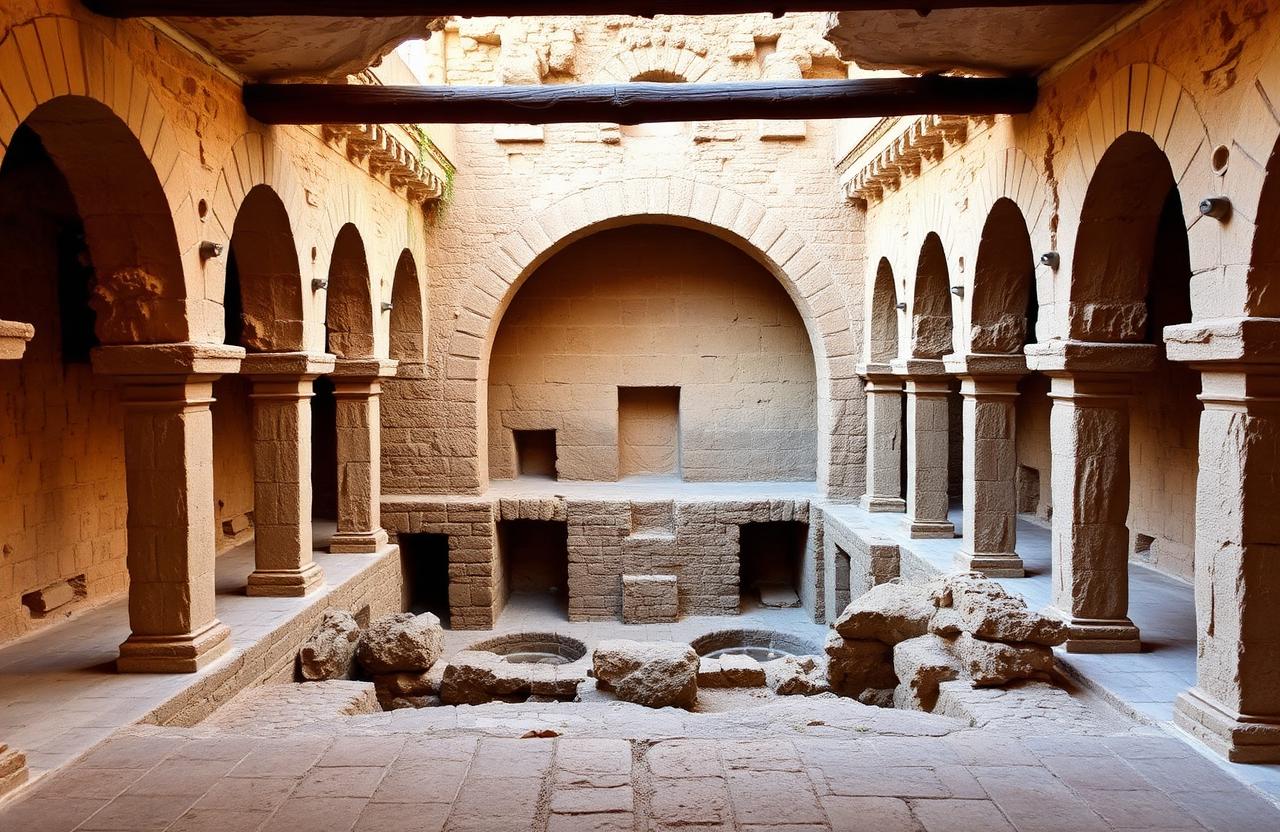
The Arab Baths stand in the Almina area, on the northern edge of one of the suburbs of the Islamic medina: the one 11th-century geographer al-Bakri called the "suburb of the three baths". The main body was built between the 12th and 13th centuries: three rectangular rooms with barrel vaults and square skylights. In the 14th century, under the Marinids, the cold room was extended with a new space covered by a rib vault with star-shaped skylights, and the circuit was reorganised as it survives today. The hillside was cut back so the building sat partly embedded in the ground and lost less heat. After the Portuguese conquest of 1415 it fell out of use. In the early 1970s, demolition of some houses exposed its vaults; archaeologist Carlos Posac Mon identified them as a medieval bath and saved them. Restored under architect J. Arnáiz Seco, it opened in 2006, the year it was listed as a Site of Cultural Interest.
What to see: unique details
- ◆The hammam sequence: entrance hall (bayt al-maslaj), cold room, warm room and hot room.
- ◆The vault skylights: square in the 12th-13th-century part and star-shaped in the 14th-century Marinid extension.
- ◆The alhanías, small alcoves separated by arches at the sides of the rooms.
- ◆How the building is set into the hillside to retain heat.
- ◆The contrast between the two building phases: barrel vaults versus the rib vault.
Audio guide
~1 min 20 s
You are in Ceuta's Arab Baths, a medieval hammam hidden for centuries beneath later houses. In the eleventh century an Andalusi geographer described this area as the suburb of the three baths. This is one that has survived. Its core was built between the twelfth and thirteenth centuries. Picture the route: first a hall to change, then the cold room, then the warm one and finally the hot room, where the steam did its work. Look up. The barrel vaults are pierced by small square skylights that let light in without letting the heat out. In the fourteenth century, under the Marinids, the cold room was extended with a new space, and here the skylights are shaped like stars. Notice another detail: the builders cut back the hillside to set the building into the ground and insulate it better. After the Portuguese arrived in fourteen fifteen, the bath fell out of use and was forgotten. It reappeared in the early nineteen seventies, when demolishing some houses exposed its vaults. An archaeologist, Carlos Posac, recognised what they were and managed to save them. After restoration it opened to the public in two thousand and six. It was a place for hygiene, but also for conversation and meeting.
Audio guide played with your device voice (browser speech synthesis).
Practical tips
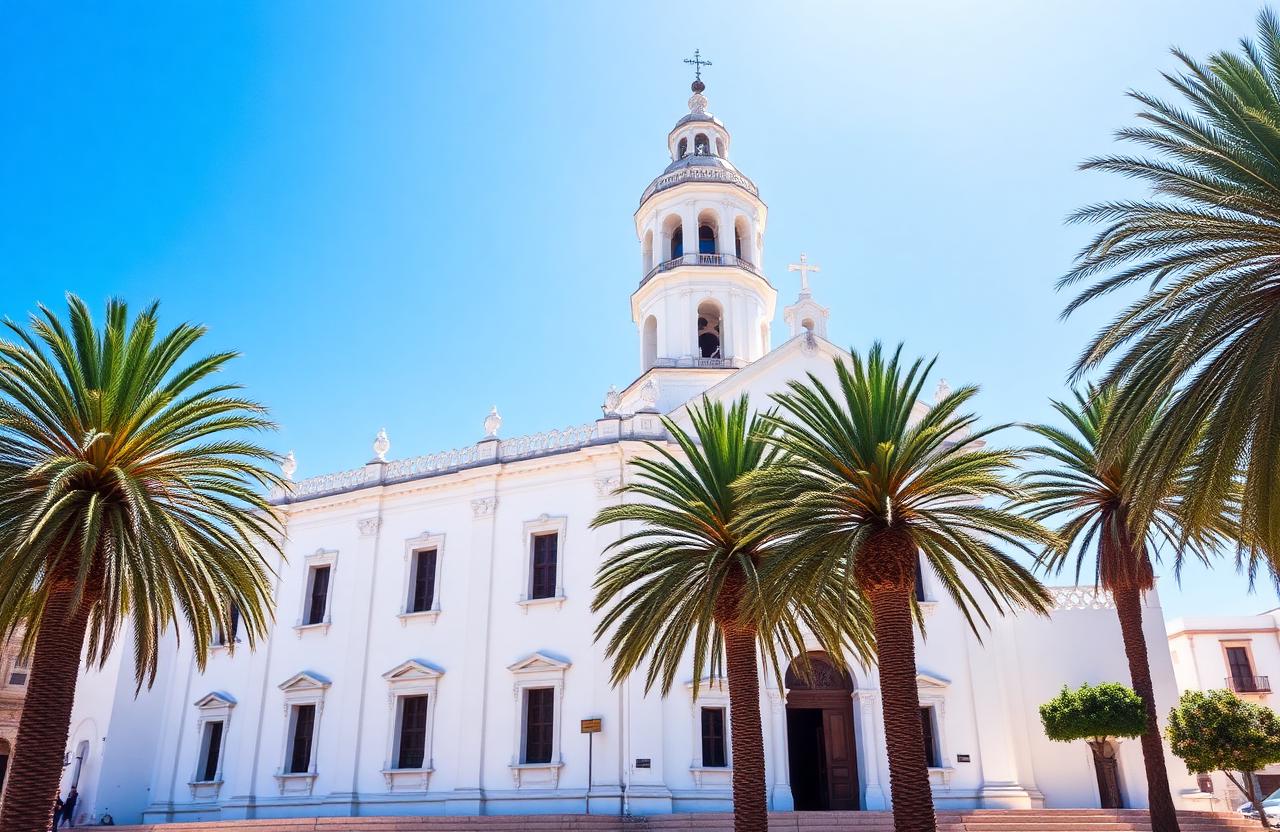
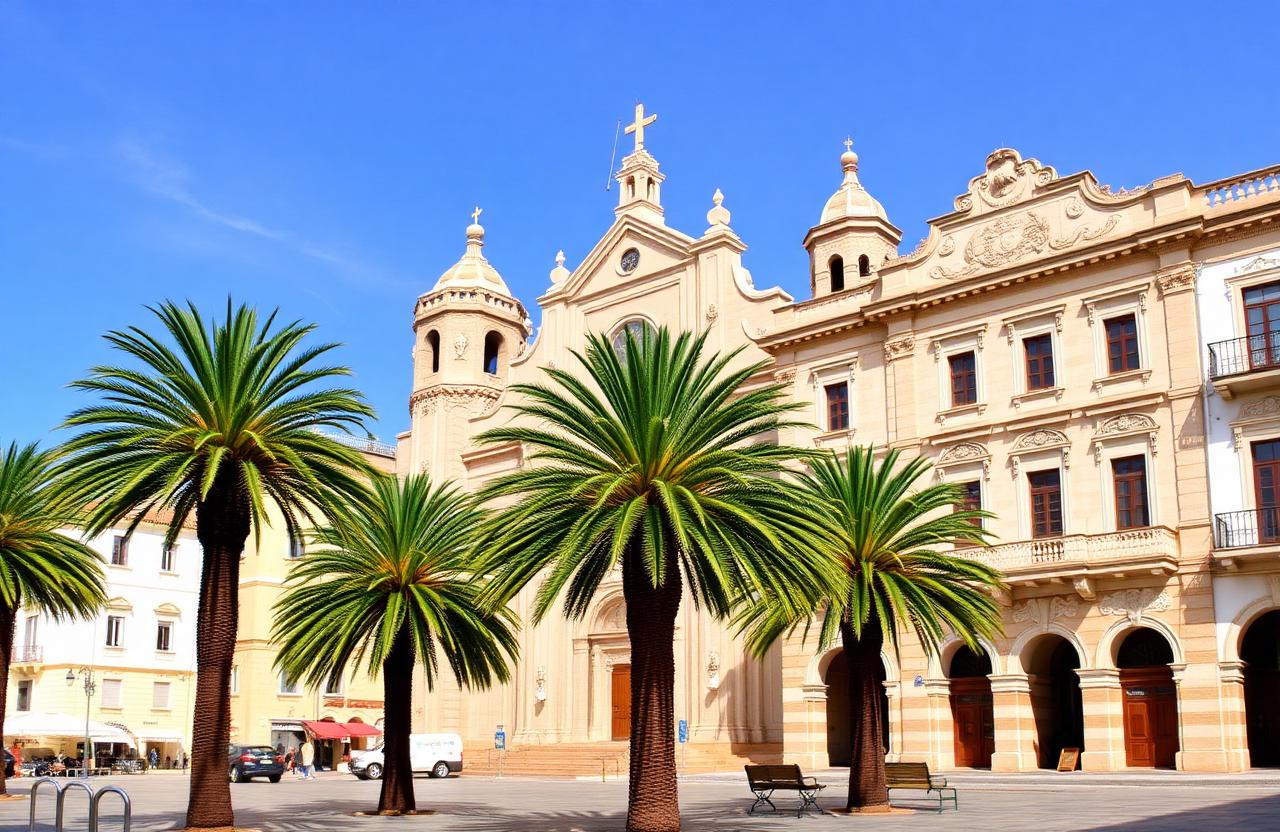
- •It is a small site: the visit takes 20-30 minutes and pairs well with Plaza de África and the Cathedral.
- •Opening hours change by season; check the tourism or City website before going.
- •Look up in each room: the light from the skylights best explains how the bath worked.
- •If you visit the Revellín Museum first, you will better understand the Islamic Ceuta that used it.
Not sure what you're looking at?
Snap the building, dish or detail with Discover Lens and I'll explain it.