Back
Port of Ceuta
Commercial and passenger port, gateway to the city.
30 - 60 minWalkPhotography
Why visit?
Ideal starting point if you arrive by boat.
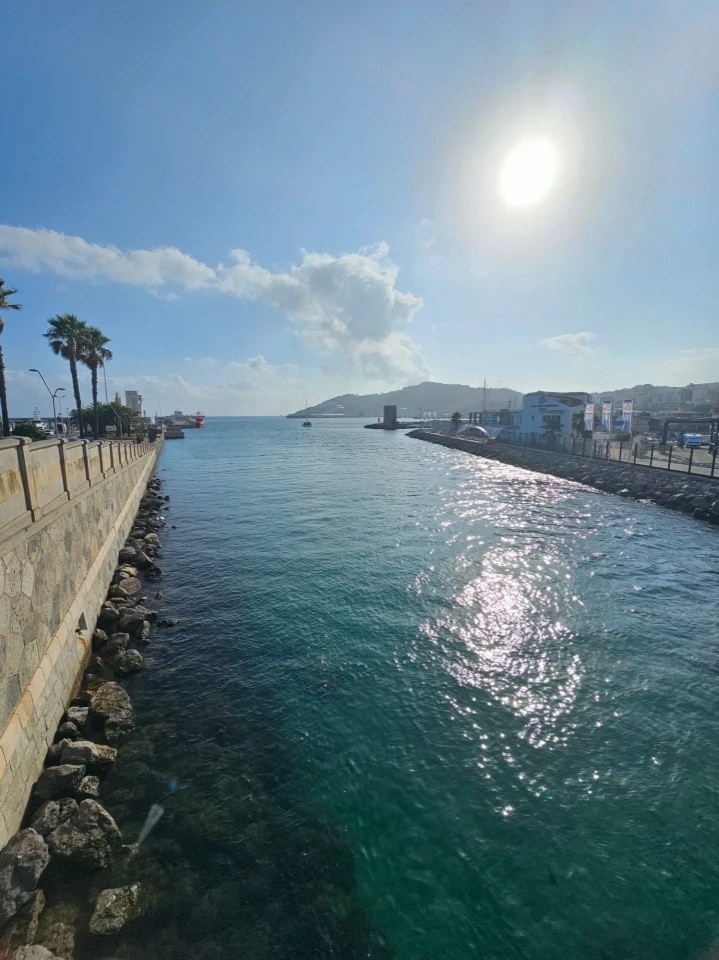
The Port of Ceuta is the city's great gateway. High-speed ferries arrive here from Algeciras, crossing the Strait in about an hour, and much of the supplies needed by a city of only 19 km² come in through it. Its waterfront, on the north bay, is a few minutes' walk from the historic centre.
History and heritage
Ceuta's coast has been used as an anchorage since antiquity: Phoenicians, Greeks, Carthaginians and Romans called at this end of the Mediterranean. In the 11th century the Andalusi geographer al-Bakri described Sibta on a narrow peninsula washed by the sea to the east, north and south. The modern port is much more recent. In 1860 it was proposed on what were then simple landing stages; works began in 1864, the plan was revised in 1902 and the final project approved in 1904, though construction only started in 1909. Almost finished by the early 1930s, the works were officially handed over on 17 February 1942. Today, run by the Port Authority of Ceuta, it is one of Spain's ports with the most regular passenger traffic and the city's main supply route.
What to see: unique details
- ◆Arriving by ferry: your first image of Ceuta, with Mount Hacho and the city outlined against the sea.
- ◆The breakwaters and the constant movement of ships in the Strait of Gibraltar.
- ◆The ferry terminal, the first and last building seen by those who travel by sea.
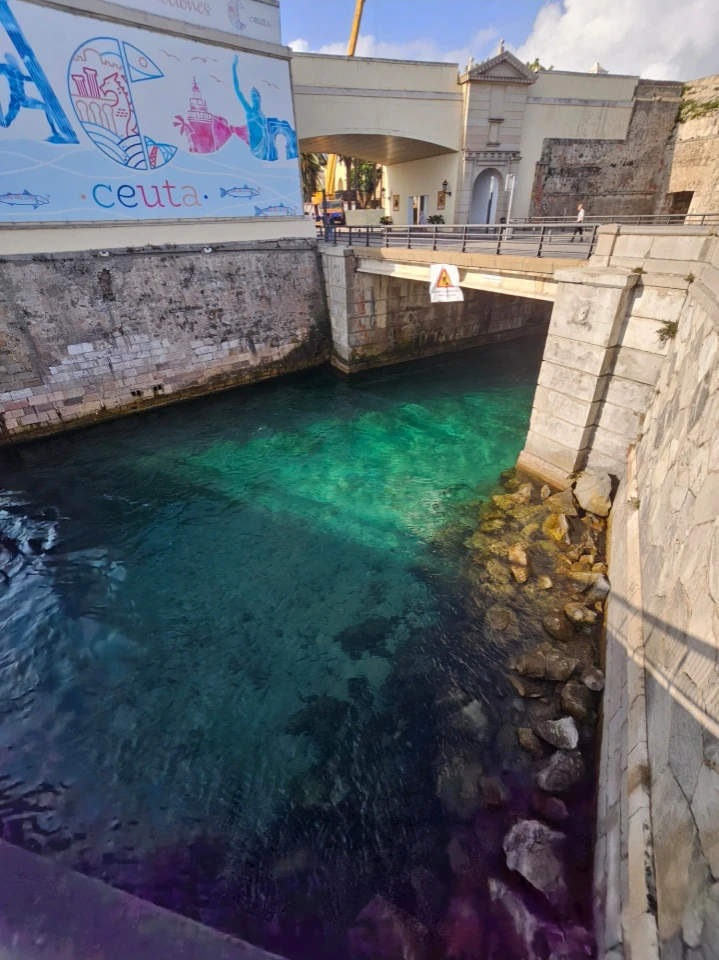
- ◆Views from Plaza de la Constitución and its footbridge over the moat towards the port, the north bay and Gibraltar.
- ◆Its proximity to the Mediterranean Maritime Park, built on land released by the port.
Audio guide
~46 s
You are at the Port of Ceuta, the city's gateway from the sea. This coast has been used as an anchorage since antiquity: Phoenicians, Greeks, Carthaginians and Romans called here, at the far end of the Mediterranean. The port you see, however, is modern. It was proposed in eighteen sixty, works began in eighteen sixty-four and, after several changes of plan, it was officially handed over in nineteen forty-two. Today the fast ferries from Algeciras arrive here, crossing the Strait in about an hour, and much of what the city needs to live comes in through it. Look north: on a clear day you can make out Gibraltar. The historic centre is just a few minutes' walk away.
Audio guide played with your device voice (browser speech synthesis).
Practical tips
- •From the ferry terminal the historic centre is a short walk: start at Plaza de África or the Royal Walls.
- •Several shipping companies run the Algeciras route; always check times and fares on their official websites.
- •To see the port without travelling, head to Plaza de la Constitución: its footbridge is a good viewpoint.
- •In stormy weather timetables may change: confirm your sailing before setting off.
Not sure what you're looking at?
Snap the building, dish or detail with Discover Lens and I'll explain it.