Back
Desnarigado Fortress
Military fortress with museum and spectacular views.
1 - 1.5 hHistoryViewpoint
Why visit?
A perfect blend of history, defensive architecture and landscape.
A former coastal battery turned military museum, with cannons, defensive installations and unique viewpoints.
History and heritage
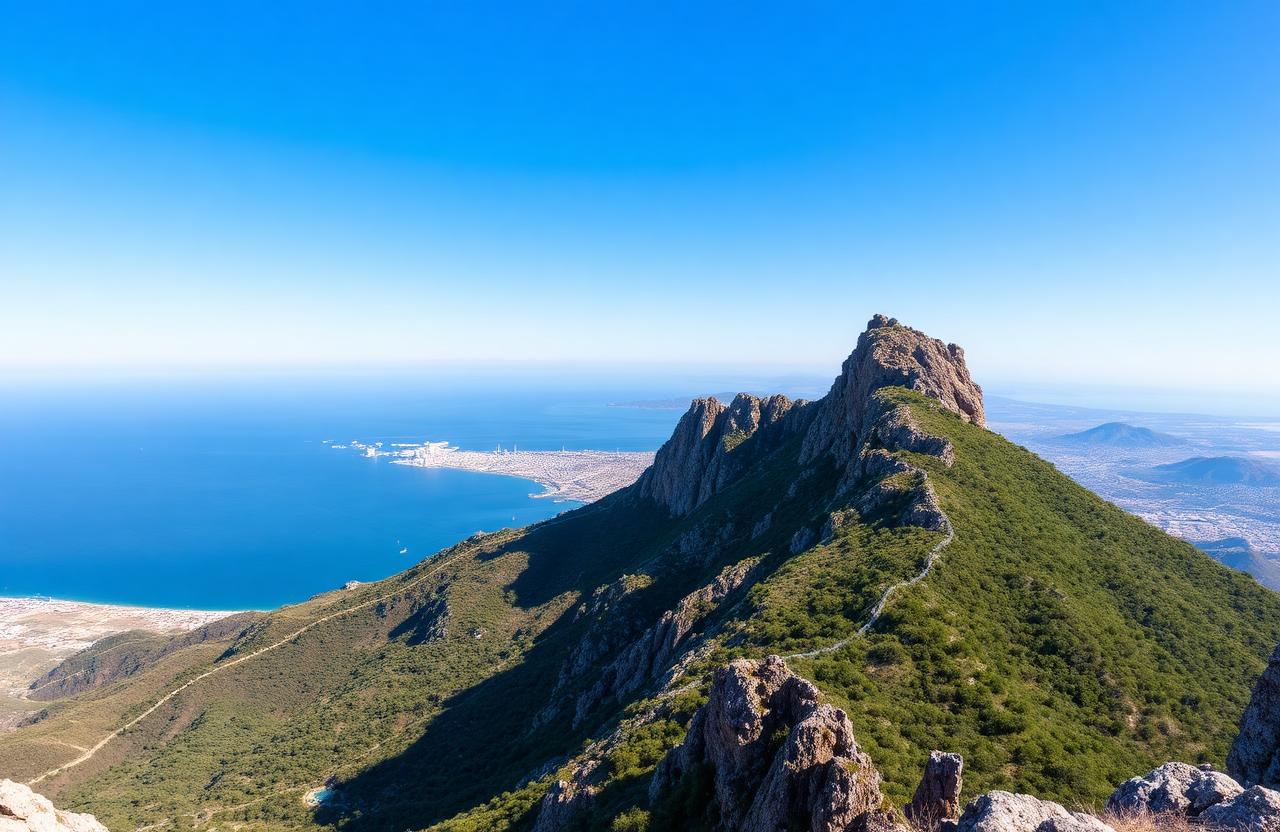
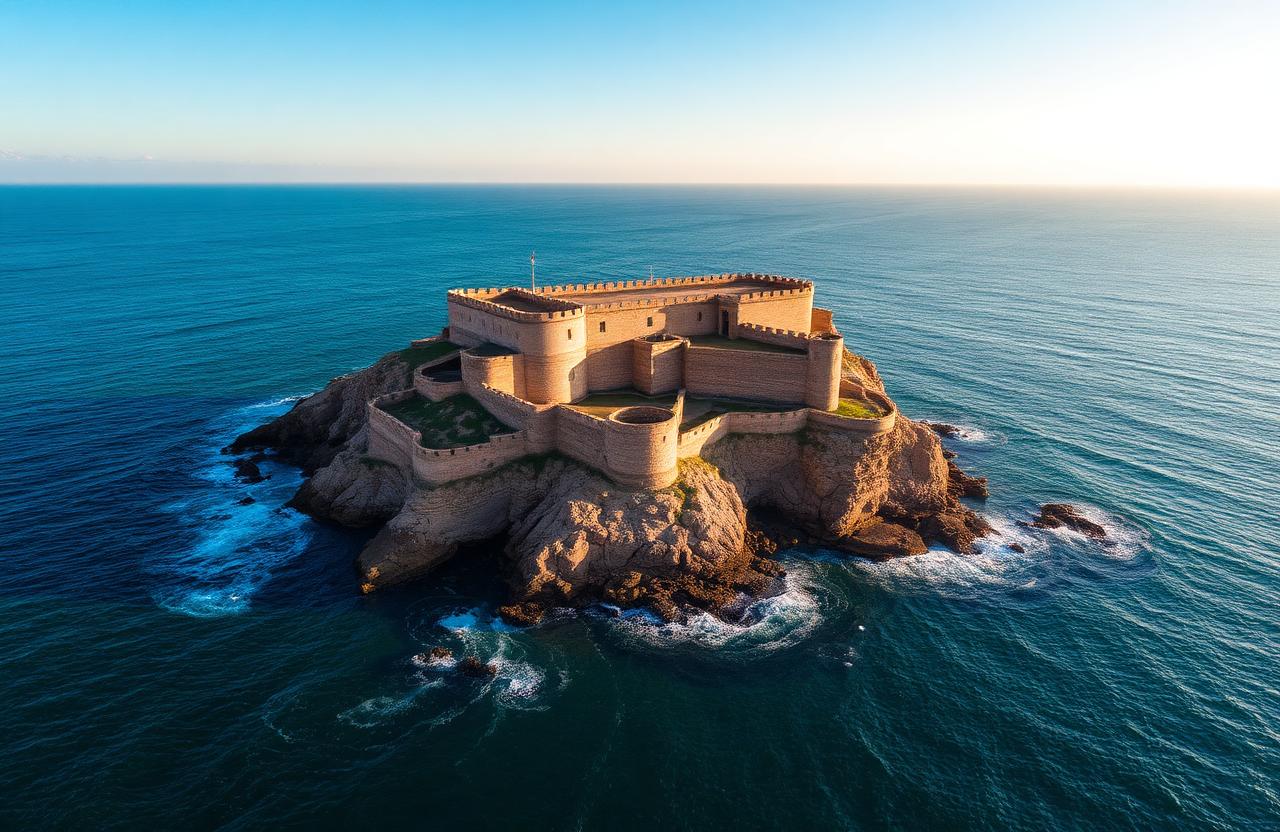
The Desnarigado cove, on the southern face of Monte Hacho, was watched for centuries: first from a lookout tower and, in the late 17th century, from a semicircular fort for five cannons, begun under governor Francisco Bernardo de Baraona and completed around 1692-1695. On that redoubt the present castle was built in the 19th century to a design by engineer Ramón Carbonell: two wings joined by the gate wall, one for the garrison and one with five vaults for the artillery. It went out of service in the early 20th century. Restored by the Army, it opened as a Military Museum on 5 October 1984 and is a listed Site of Cultural Interest. The legend: the name is attributed to a Barbary pirate whose nose, so the story goes, was cut off while he was a slave in the Rif mines. He supposedly escaped with other captives, seized boats and in 1417 landed in this cove to surprise the small Portuguese garrison. The account comes from Portuguese chronicler Jerónimo de Mascarenhas, but Spain's Ministry of Defence itself notes it "may well be legend": enjoy it as a traditional tale, not proven fact.
What to see: unique details
- ◆The gate flanked by two crenellated towers about six metres high, with a replica of the Habsburg royal coat of arms.
- ◆The two wings of the castle: the soldiers' quarters and the five-vault battery that housed the cannons.
- ◆The remains of the "Reducto Nuevo", the 17th-century semicircular battery visible outside today's walls.
- ◆The rooms of the Military History Museum, with artillery, weapons, uniforms and objects from units stationed in Ceuta.
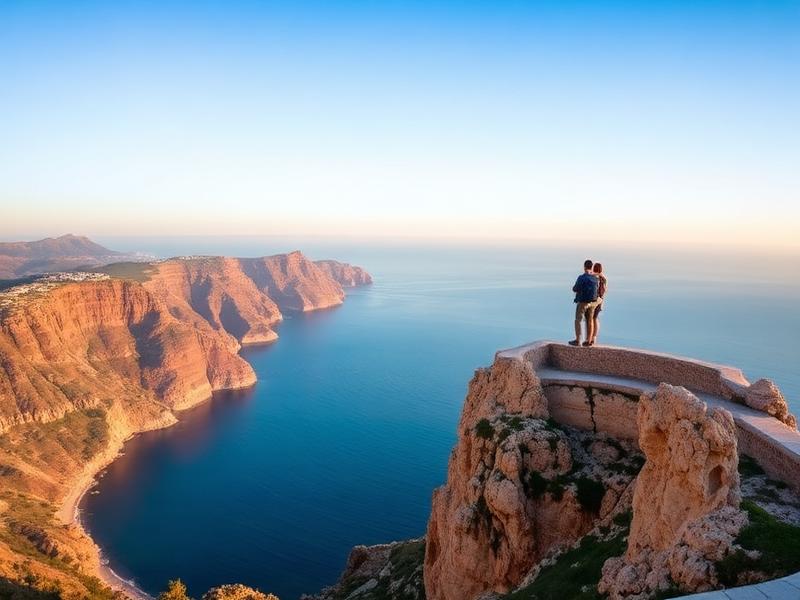
- ◆The small cove and Hacho cliffs, with open views over the Mediterranean and the Moroccan coast.
Audio guide
~1 min 21 s
You are at the Desnarigado, on the southern face of Monte Hacho, where the rock drops almost sheer to a small cove. This corner was always watched: first from a lookout tower and, at the end of the seventeenth century, from a semicircular fort with room for five cannons. The castle you see is later, from the nineteenth century, designed by engineer Ramón Carbonell. Look at the gate between two crenellated towers and the Habsburg coat of arms above it. On one side lived the garrison; on the other, under five vaults, stood the artillery. It fell out of use in the early twentieth century and, after restoration, opened as a military museum in nineteen eighty-four. Now, the legend. It is said that a Barbary slave, whose nose had been cut off in the Rif mines, escaped with other captives, turned pirate and in fourteen seventeen landed in this cove to surprise the Portuguese. That would explain the name Desnarigado, the noseless one. A Portuguese chronicler recorded the story, but even the museum admits it may well be legend. Enjoy it for what it is: a tale of the Strait. Before you leave, look out over the cliffs. From here you understand why this coast had to be guarded.
Audio guide played with your device voice (browser speech synthesis).
Practical tips
- •Reach it via the Monte Hacho ring road; there is parking for cars but not coaches.
- •It is a military site: bring an ID card or passport, as it may be required for entry.
- •The Ministry of Defence publishes opening hours and admission; check before going up, as they change by season.
- •Combine it with the Hacho loop and the San Antonio Viewpoint in the same morning.
- •Wear comfortable shoes: the surroundings are rocky and steep.
Not sure what you're looking at?
Snap the building, dish or detail with Discover Lens and I'll explain it.